🌐 Internet of Things (IoT): Connecting the World Around Us
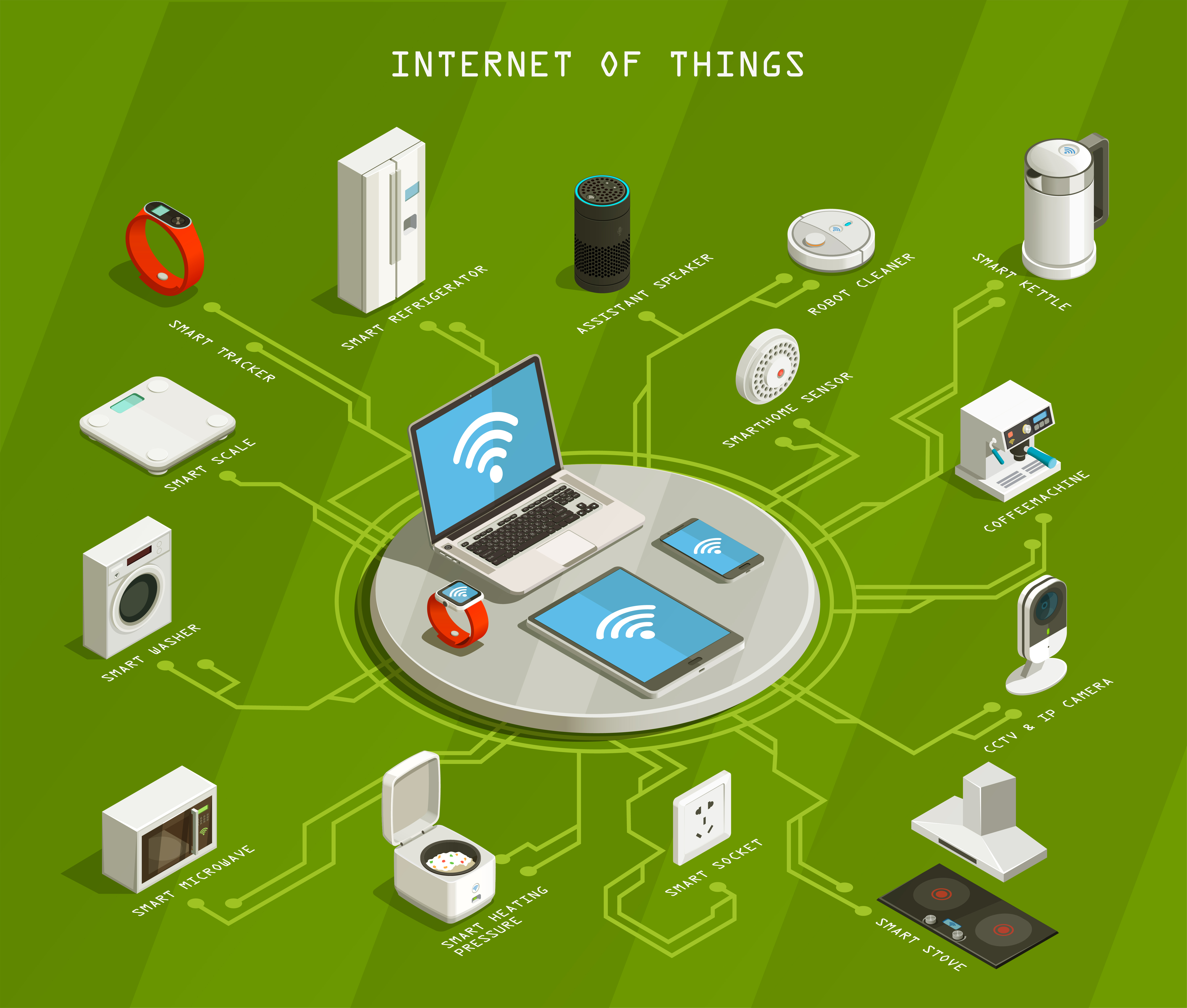
The Internet of Things (IoT) is transforming how we live, work, and interact with technology. From smart homes and wearable fitness trackers to industrial automation and smart cities, IoT connects everyday objects to the internet — enabling them to collect, share, and act on data.
In simple terms, IoT turns ordinary devices into smart devices.
🔍 What is IoT?
The Internet of Things refers to a network of physical devices embedded with:
Sensors
Software
Connectivity (Wi-Fi, Bluetooth, 5G, etc.)
Data processing capability
These devices communicate with each other and centralized systems through the internet.
Example:
A smart thermostat adjusts temperature automatically.
A fitness band tracks your heart rate.
A factory machine predicts maintenance before failure.
🧠 How IoT Works
IoT systems typically follow this 4-step process:
1️⃣ Data Collection
Sensors gather data (temperature, motion, humidity, pressure, etc.).
2️⃣ Data Transmission
The device sends data to cloud servers via internet protocols.
3️⃣ Data Processing
Cloud platforms analyze data using AI and machine learning.
4️⃣ Action
The system triggers alerts or automated responses.
🏠 Real-World Applications of IoT
1. Smart Homes
Smart lights
Smart locks
Voice assistants
Security cameras
2. Healthcare
Remote patient monitoring
Wearable devices
Smart insulin pumps
3. Industrial IoT (IIoT)
Predictive maintenance
Automated production lines
Energy optimization
4. Smart Cities
Traffic monitoring
Waste management
Smart parking systems
5. Agriculture
Soil monitoring
Smart irrigation
Livestock tracking